
An emergency fund does not have to start big. Even small, consistent contributions can help you build financial breathing room.
The goal is not perfection. It is creating a cushion that helps you rely less on credit when unexpected expenses arise.
If debt, rising costs, or financial stress are making it difficult to save, support and practical solutions are available.
National Financial Awareness Day lands every August 14. It may not come with cake, fireworks, or a day off—but it is a good excuse to check whether your finances could handle life’s next expensive plot twist.
No financial lecture. No guilt spiral. Just one useful question:
If an unexpected expense showed up this month, what would I do?
For many people, that question brings up stress, frustration, or uncertainty. If your emergency fund is smaller than you’d like, or if you haven’t started one yet, you’re far from alone.
A 2026 Bankrate survey found that just 47% of Americans said they had enough savings or access to funds to cover a $1,000 emergency expense. The survey also found that 29% of Americans reported having more credit card debt than emergency savings.
Those numbers are not meant to discourage you. They are a reminder that emergency savings is not just a financial goal. It can be a practical tool for navigating everyday life when unexpected expenses happen.
Before we talk about how to start an emergency fund, it’s worth addressing something many people bring into conversations about money: shame.
If you’ve struggled to save, relied on credit cards during a difficult season, or had to start over after draining your savings account, it can be easy to conclude that you’re simply “bad with money.” But financial setbacks are not the same thing as financial failure.
As Bola Sokunbi, finance expert, bestselling author, and founder of Clever Girl Finance, explains:
“Being ‘bad with money’ isn’t a permanent character flaw. Financial shame keeps people stuck, but you can acknowledge past decisions without judging yourself and begin building healthier money habits one small step at a time.”
Bola shares what that mindset can look like in real life in her account of handling an unexpected $6,000 week without panic.
Building an emergency fund is not about proving you’ve mastered money. It’s about creating a little more stability than you had yesterday. One decision. One deposit. One small step at a time.
What Is an Emergency Fund and Why Is It Important?
An emergency fund is money set aside specifically for unexpected expenses or income disruptions. Think car repairs, emergency travel, medical bills, a broken appliance, or a temporary reduction in work hours.
It’s different from savings for planned expenses like holidays, vacations, school expenses, or home projects. An emergency fund has one job: helping you navigate the unexpected without immediately turning to credit cards, loans, or other forms of borrowing.
Beyond the money itself, even a modest emergency fund can provide security by turning a car repair or medical bill from a financial crisis into a more manageable expense.
The National Financial Awareness Day Emergency Fund Challenge
Rather than making a vague promise to “save more,” consider taking on a simple challenge: start or strengthen your emergency fund over the next 30 days.
The goal isn’t to build several months of expenses overnight. The goal is to build momentum.
If you’re starting from zero, that momentum matters. If you’ve saved before but had to use the money, that still counts as progress. Your emergency fund did its job. Now you’re rebuilding.
Step 1: Choose an Emergency Fund Goal
A useful long-term benchmark is to work toward saving enough to cover several months of essential expenses. But if you’re just getting started, that number can feel intimidating.
Instead, focus on a starter emergency fund goal that feels achievable:
- $100 for a small unexpected expense
- $250 for a minor car repair or appliance issue
- $500 for a larger financial setback
- $1,000 as a starter emergency fund
The best emergency fund goal is one that motivates you to begin. If $1,000 feels out of reach, start with $100; if $100 feels stressful, start with $25. The number matters less than building the habit.
Step 2: Give Your Emergency Savings a Purpose
“Emergency fund” can feel abstract.
“Money for a car repair” feels real.
Consider naming your savings account or savings goal based on what would bring you the most peace of mind:
- Peace of Mind Fund
- Car Repair Cushion
- Rent Backup Fund
- Medical Expense Buffer
- Family Safety Net
Attaching a purpose to your emergency savings can make it easier to protect and prioritize, separate it from everyday spending, and keep one surprise bill from throwing your whole month off track.
Step 3: Use a Separate Emergency Savings Account
If your emergency savings sits in the same account you use for groceries, bills, gas, and everyday purchases, it can be difficult to tell what money is available to spend and what money should stay untouched.
Whenever possible, keep your emergency fund in a separate savings account. It should be accessible when you genuinely need it but separate enough that you’re not tempted to use it for routine purchases.
If opening a separate account is not realistic right now, you can still create a clear boundary. Track the amount in a dedicated budget category, savings tracker, or note in your banking app so you know which money is reserved for emergencies.
How to Save Money for an Emergency Fund When Money Is Tight
One of the most common reasons people struggle to build savings isn’t a lack of discipline. It’s that their budgets already feel stretched.
Housing costs remain high. Groceries cost more than they used to. Childcare, transportation, healthcare, and debt payments can leave very little room to save.
That squeeze is showing up in national data, too. Recent reporting on the declining U.S. personal savings rate illustrates why setting money aside can feel especially difficult when everyday costs are consuming more of each paycheck.
That’s why the goal isn’t to judge your spending. It’s to become more aware of it.
Take a look at the last 30 days and ask yourself:
- Did I pay for subscriptions or services I rarely use?
- Were there spending patterns that surprised me?
- Is there one recurring bill I could reduce, negotiate, or shop around?
You don’t need to revamp your entire financial life. A single change can create meaningful savings over time.
Canceling a $12 monthly subscription creates $144 a year. Saving $10 each week creates more than $500 a year. Setting aside $25 from each biweekly paycheck can create $650 in annual savings.
If your newsfeed, seasonal spending, or “limited time” deals tend to pull you away from your savings goals, this look at how social media can influence summer spendinghow social media can influence summer spending can help you spot common spending triggers before they derail your budget.
A 30-Day Emergency Fund Challenge to Jump-Start Your Savings
If you’re motivated by clear goals, try a 30-day emergency fund challenge: choose a realistic amount to save over the next month—whether that’s $50, $100, or $250—then break it into manageable pieces.
A $100 goal could become:
- $25 each week
- $14 twice a week
- About $3 per day
Look for ways to make the process easier. Schedule transfers on payday. Move money into savings after a side gig payment comes through. Redirect part of a tax refund, bonus, or birthday gift.
You can also connect saving to small everyday moments. If you come in under budget at the grocery store, move the difference to savings. If you skip an impulse purchase, transfer a portion of what you would have spent.
The simpler the process, the more likely you are to stick with it.
And remember: this challenge is not about denying yourself every small joy. It’s about building a habit that can protect you when life gets expensive.
Should You Save for an Emergency Fund or Pay Off Debt First?
Many people feel stuck between two important goals: paying off debtpaying off debt and building emergency savings.
If you’re carrying credit card balances, student loans, personal loans, or medical debt, it can feel counterintuitive to save money instead of directing every available dollar toward repayment.
For many households, building a small emergency cushion while continuing to pay down debt can help prevent new borrowing when unexpected expenses occur. You might continue making at least the minimum payments on debt while working toward a starter emergency fund of $250, $500, or $1,000. Once that cushion is in place, you can revisit how much extra money to put toward debt repayment.
If You Use Your Emergency Fund, That’s Success
Using your emergency fund for a genuine emergency is not failure; it means the fund did exactly what it was designed to do.
Too often, people feel discouraged after tapping their savings and conclude they’re back at square one. But if your emergency fund helped you avoid taking on new debt, missing a payment, or falling further behind, that is progress.
Once the emergency passes, shift your focus toward rebuilding. You already proved you can save. Now you’re repeating the process.
Start Where You Are
Whether you’re starting to save, rebuilding after an emergency, or balancing debt repayment with savings, you don’t have to figure it out alone.
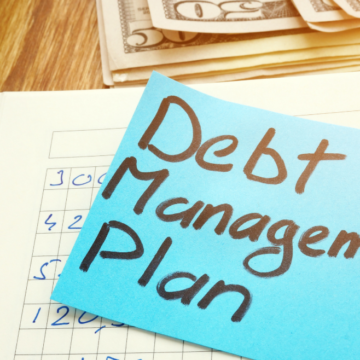
GreenPath offers free financial counseling to help you navigate budgeting, debt repayment, and other financial goals. If credit card debt is a concern, GreenPath’s Debt Management ProgramDebt Management Program may help you pay off eligible unsecured debt with one monthly payment.
An emergency fund grows through small, repeatable decisions. National Financial Awareness Day is a great time to make the first one.
You Might Also Be Interested In…
Strategies for Successful Saving Strategies for Successful Saving
What You Will Learn
- Differences between savings account types
- Specific purposes to save for
- Strategies for being successful with your savings plan
GreenPath Financial Service
GreenPath, A Financial Resource
If you’re interested in building healthy financial habits, paying down debt, or saving for what matters most, take a look at these free financial tools.